During Reading Activities:
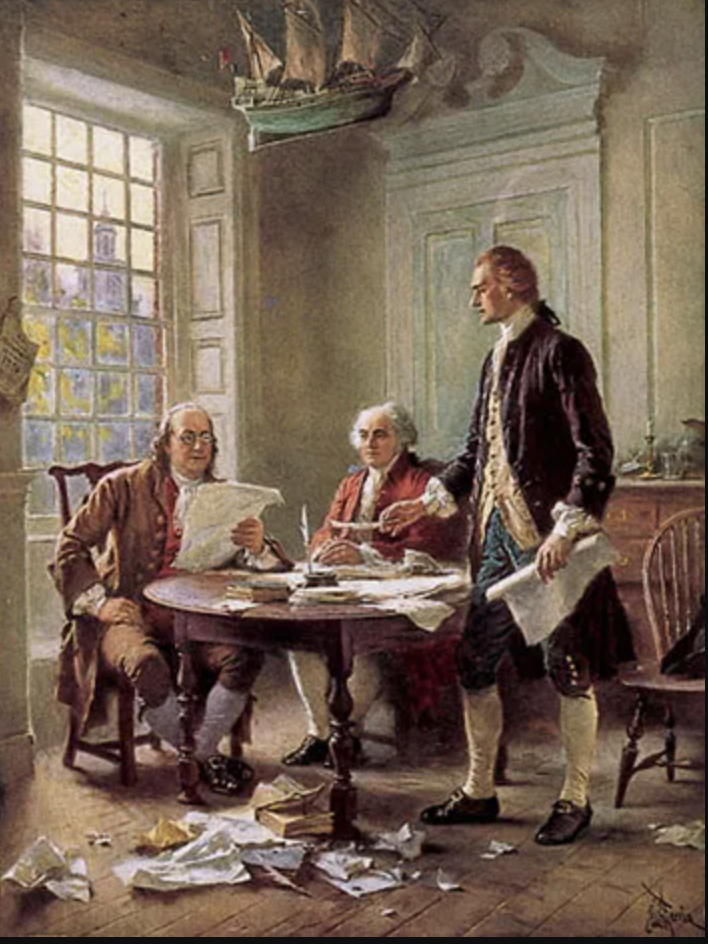
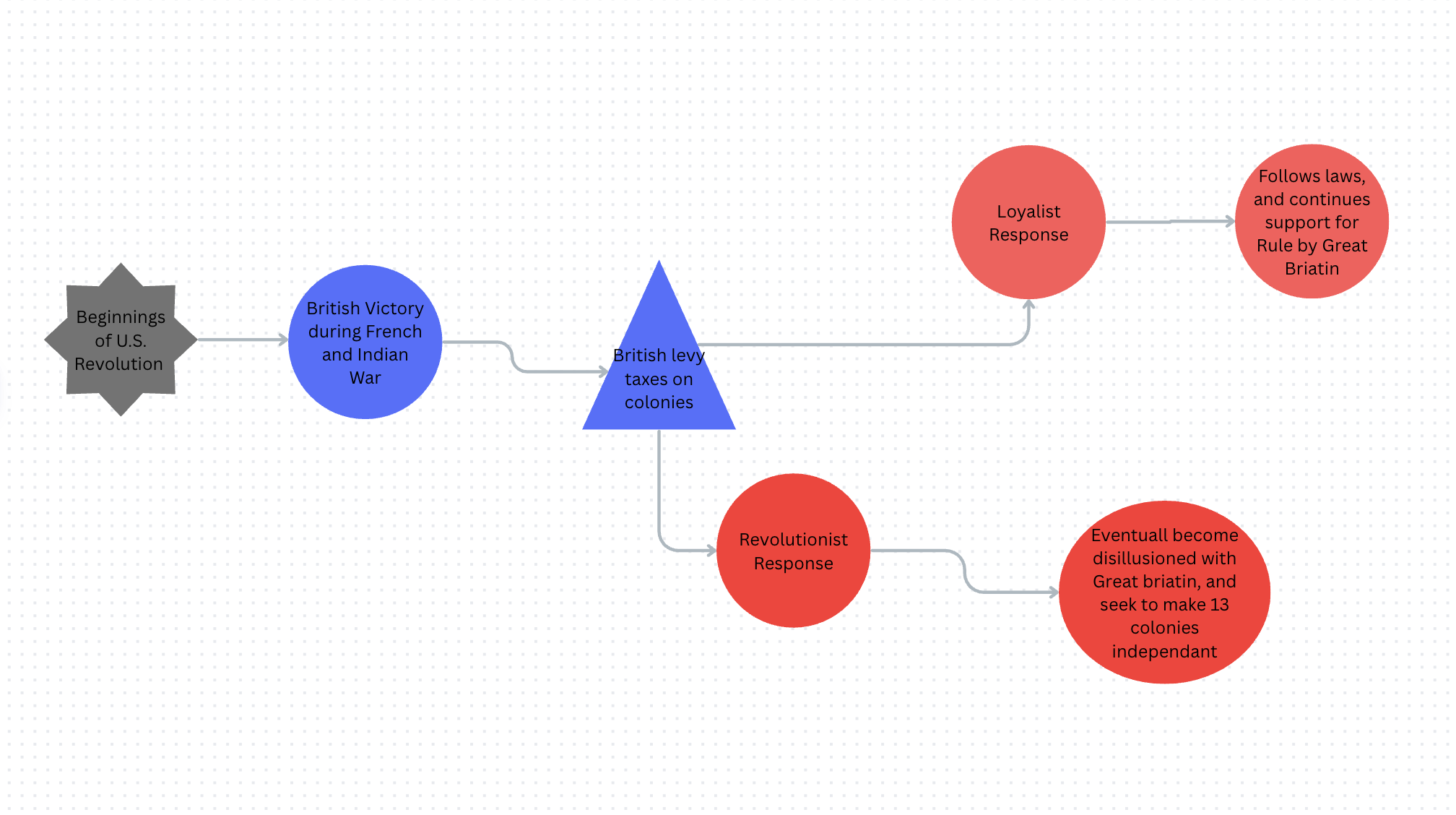
Concept Mapping
Concept mapping is a strategy students can utilize during their reading of the text, that focuses on their understanding of the text content. While the example provided is simplified, it still showcases what this is and the effects it has with students. While students read, they branch out from a starting concept from the text section, and map out their thoughts and observations on the text content as they read. This activity not only focuses students on their analysis of the content, but visualizes the thoughts and observations students have with the text. This can help student work through and analyze their own thoughts and observations, giving them opportunity to reflect on their processes.
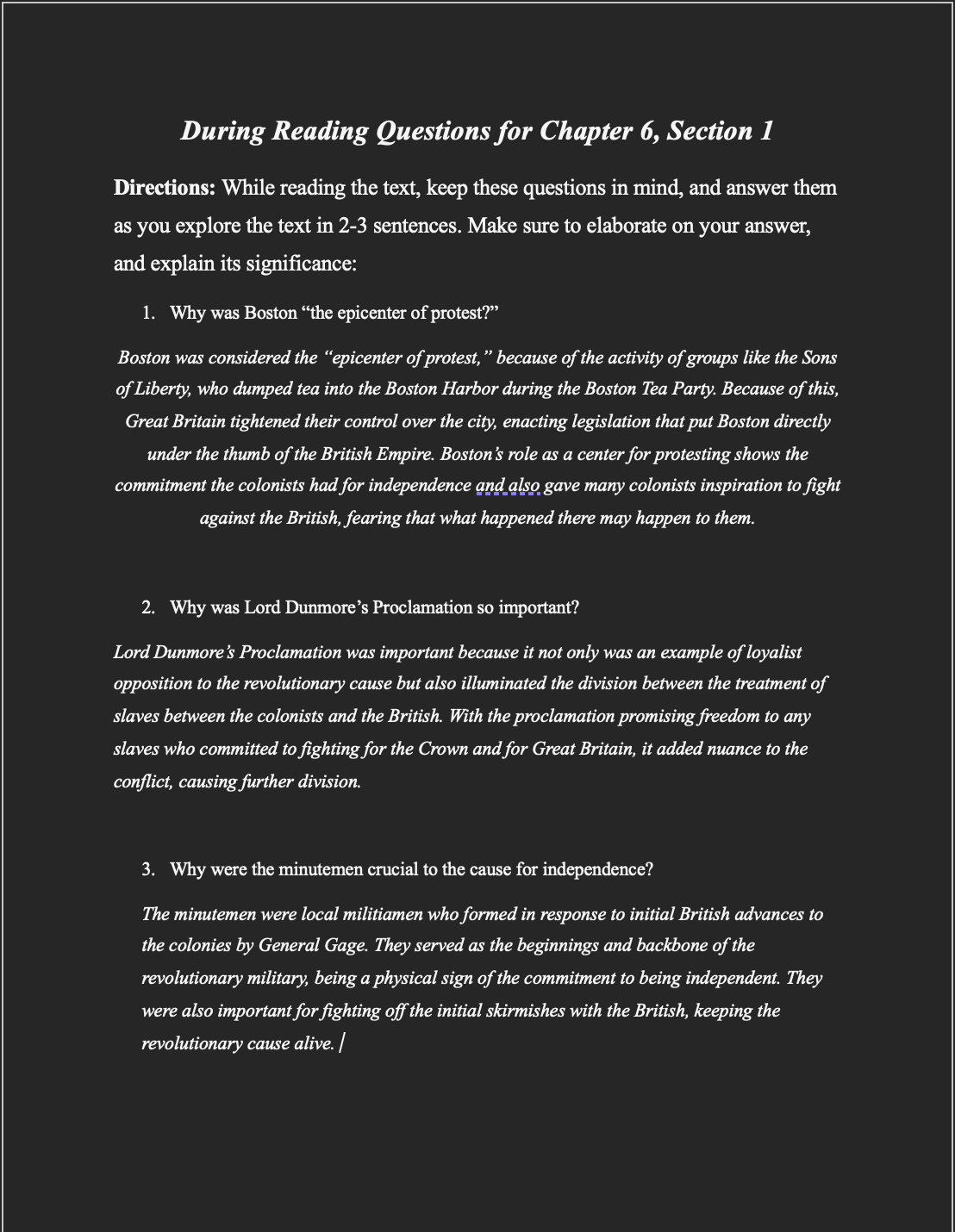
During Reading Questions:
Proposing questions to students during their reading of the text is an excellent strategy, because it primes students to look for key points while they’re reading and analyzing the text. Students will most likely receive these questions on a worksheet, or will write them down on paper, and will answer them as they read through the text. The significance of this strategy is that it guides their reading and offering scaffolding, but gears them to make their own interpretations of the questions being asked, as students may have differing answers to the questions.
Think-Pair-Share
The think-pair-share activity is perfect as a during reading activity, as it encourages discussion and analysis of a topic. Students are given a prompt or topic in the text to think about, then pair with other students to share discussions, and then share it with the class.
-Example:
Topic: Was George Washington correct in relinquishing his position as the commander-in-chief after the war ended?
My thoughts: Yes, because it showed his commitment to the ideas of republicanism.
Group discusses
Shared with class: Washington’s decision was good, because it showed a belief in republicanism, and best exemplified the fight for independence as it distanced itself from the practices of the British Empire at the time.


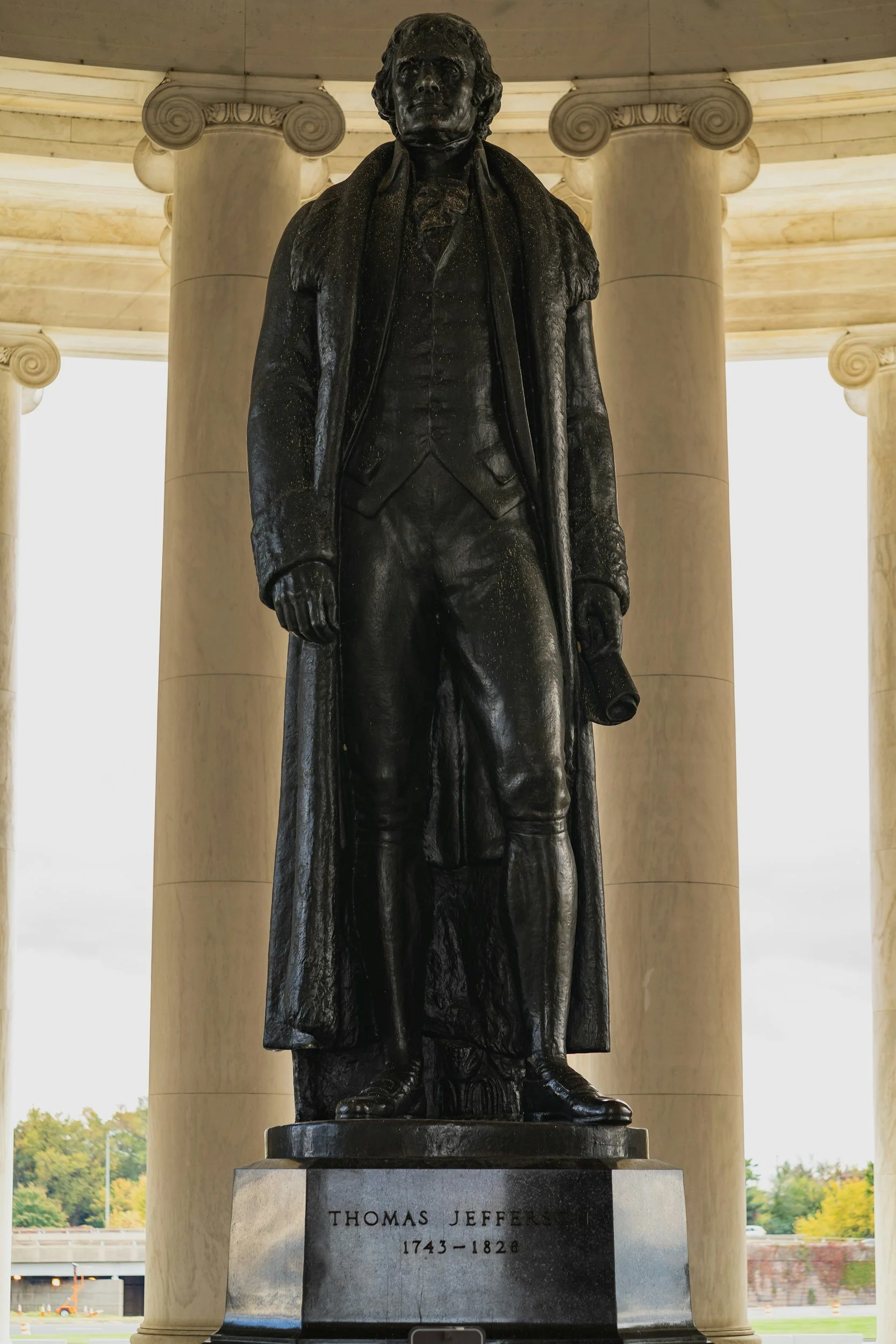
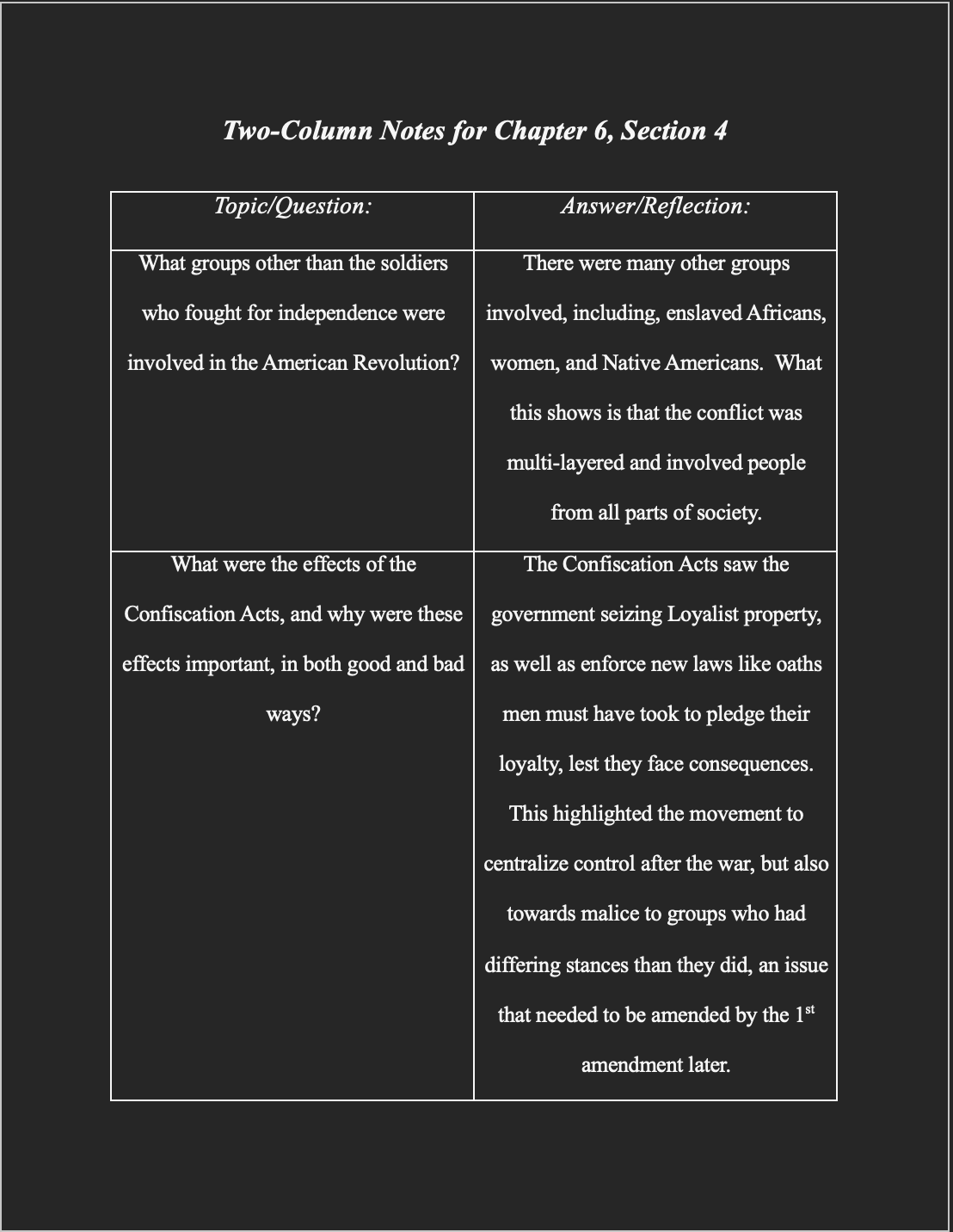
Two-Column Notes:
Two-Column Notes are a good strategy for during reading activities, as it scaffolds a way for students to take notes that help their skills in analysis and reflection. There are many ways to structure these notes, but the case seen in my example has students places a topic or question on the left side, while giving an answer and reflection on the right side. This activity encourages analysis on important concepts, as well as provides students the room to reflect on the importance of people or events important to the text topic.